

Jury of the Baltic Sea Project
Member of the jury
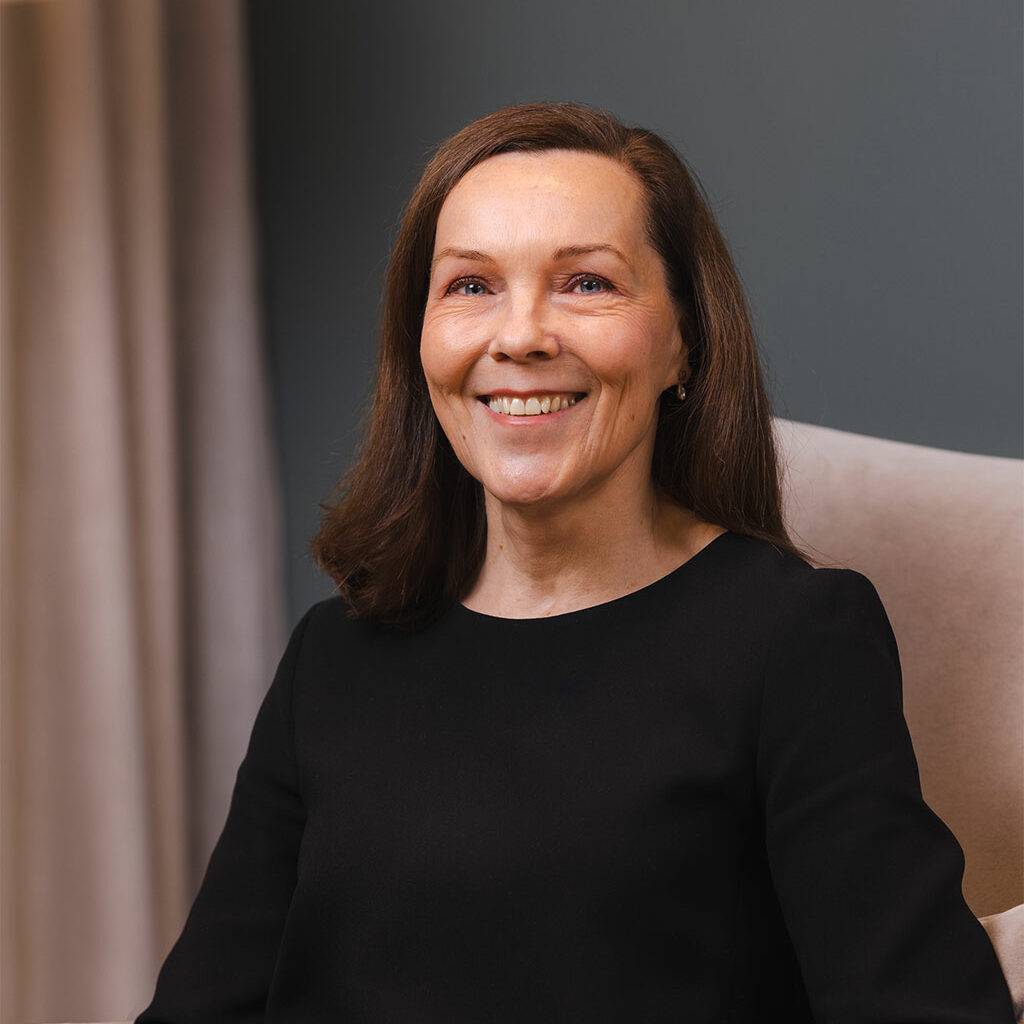
Anne-Maria Salonius
Director, Baltic Sea Project
Anne-Maria is behind the entire idea of the Baltic Sea Project and has served as the chairperson of the jury since the first funding round of the Baltic Sea Project, starting from 2015. The sea is very close to her heart and Anne-Maria hopes to be able to work for its well-being, so that the beauty and rich species of the Baltic Sea are preserved for future generations.
You chair the jury of the Baltic Sea Project. How does it feel?
I have chaired the jury since the Baltic Sea Project’s first funding round in 2015. Over the years, the project has grown and earned a respected position. You can see it in the jury, for example: highly accomplished experts want to be part of the Baltic Sea Project. That makes me very happy.
What is your relationship with the Baltic Sea?
I have spent a great deal of time on the Baltic Sea, and the idea for the whole project came to me aboard my own sailing boat. The sea is very close to my heart. I love sailing; last summer, for example, I went on long trips with just my dog for company. Frodo is a three-year-old labradoodle and an excellent sailing companion. He sits attentively in the skipper’s seat and enjoys being at sea.
What was your guiding idea when you founded the Baltic Sea Project?
I wanted to make the environmental work Ålandsbanken had already begun more effective and encourage both my colleagues at the bank and other well-established Baltic Sea organisations to get involved. I believe in the power of collaboration. Our role has been to bring people working for the same cause around the same table and give them shared goals. This is reflected in long-standing partnerships with various foundations, for example. We also deliberately wanted to create an accessible platform where practically anyone could apply for funding for any idea with the potential to improve the health of the Baltic Sea.
Why do you think the health of the Baltic Sea matters?
Ninety million people live around the Baltic Sea, and its health has far-reaching effects on animals and other living organisms. The Baltic Sea has long been one of the most polluted seas in the world. We need to work for its well-being so that its beauty and rich biodiversity will be preserved for future generations.
Has any project funded by the Baltic Sea Project been particularly interesting to you?
The Living Baltic Sea project is especially close to my heart. Among the innovations, I have to mention Solar Foods’ factory planning project, which the Baltic Sea Project funded at a very early stage. I was also deeply impressed by the personal drive of Johannes Myllykoski of Clewat Oy. He had initially developed a solution for collecting oil from the sea. When he became aware of the plastic problem, he went back to the drawing board and developed an effective way to collect plastic waste from the sea.
I have also loved the projects that engage children and young people. They should by no means be considered less valuable than futuristic innovations.
What kinds of projects would you like to see in the next funding round?
Biodiversity is a major topic of discussion right now. It would be wonderful to see projects that have an impact on biodiversity in the Baltic Sea while also delivering broader environmental benefits.
What are you looking forward to about the jury’s work?
This year’s jury brings together an entirely new kind of strong and wide-ranging expertise. I have already had the chance to meet some of the members, and the discussion was so stimulating that I am looking forward to the jury’s work and the exchange of ideas. I am sure it will help us make good funding decisions.
What do you do in your free time, and how do you relax?
I spend a lot of time outdoors. Besides sailing, I enjoy freeriding and ski touring. Frodo makes sure I get outside every day. We have a few favourite places near home, such as Töölönlahti and Hietsu, but in summer Frodo gets to run free in the archipelago. I also play tennis and belong to a coaching group that trains every week. Tennis is a technical sport that takes persistence and dedication. When we work on a backhand or a serve, we really work on it!
What do you value?
I value my family and friends, of course, as well as a responsible outlook on life. My work is often very busy. That makes me appreciate quiet Sunday mornings and days with nothing planned. On those days, I can linger over breakfast, read the papers at my own pace and simply enjoy being.
How do you personally contribute, or try to contribute, to a more sustainable future?
Through my work, I can influence sustainability at a company level. Ålandsbanken will soon open a new branch in Oulu, and 85% of its furnishings, for example, are recycled. In my everyday life, I have made a conscious choice to eat less meat and prioritise quality and local production over quantity. I drive an electric car and walk a lot. I also try to buy second-hand clothes and repair old ones. Another goal of mine is to fly less. These days I think carefully about other ways I could make work trips.
What can we all do for a more sustainable future?
Everyone can take small steps towards a more sustainable future in their own life. You do not have to change everything at once. Someone who eats meat, for instance, could start with one meat-free day a week. Food is something almost everyone can influence. If you know you will use a product soon after buying it, you do not necessarily need to reach to the back of the shelf for the one with the longest shelf life. That small choice could help prevent food waste.
How would you encourage projects and communities to apply for funding from the Baltic Sea Project?
We have already helped many impactful projects get off the ground when they struggled to secure funding in their early stages. Believe in your innovation. If the idea and the team are good, and the jury sees its potential, it can gather momentum and grow from an idea into a project with real impact.
Member of the jury
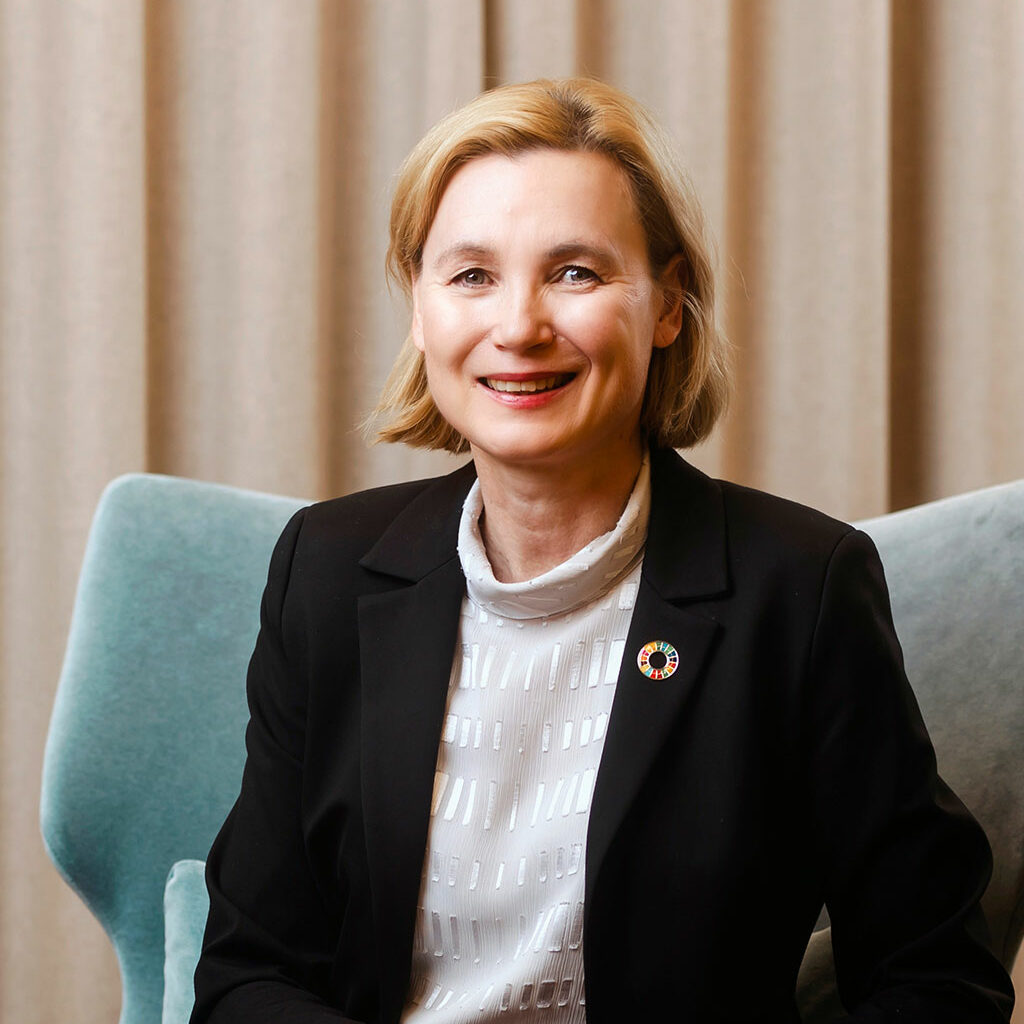
Mari Pantsar
Ph.D. and docent and partner at One Planet Oy
Mari, who has followed the Baltic Sea Project for a long time, especially expects good discussions from working as a judge, through which she can also learn a lot of new things herself. She hopes that people in general have the courage to slow down and stop to think about where genuine well-being and happiness in life come from. With this thought work, everyone could better find their own sustainable way of living.
You are one of the judges of the Baltic Sea Project. How does it feel?
I have followed the Baltic Sea Project for a long time. It is lovely to be part of the jury!
What is your relationship with the Baltic Sea?
A close one. During the working week, I live almost on the shore and spend a lot of time by the sea. When I was young, I worked at a marine research institute, and our research trips sometimes took us into storms. That taught me to respect the forces of nature. The sea also brings me a great deal of joy.
Why do you think the health of the Baltic Sea matters?
The health of the Baltic Sea reflects how we care for ourselves and our future. If we do not respect nature and the sea, how can we respect future generations, whose lives depend on nature?
How did you become familiar with the Baltic Sea Project?
I first came across the Baltic Sea Project through my work about ten years ago. I particularly appreciate that it does not place overly narrow limits on the kinds of projects that can apply for funding. That leaves room for new innovations and new approaches.
Has any project funded by the Baltic Sea Project been particularly interesting to you?
When P2X Solutions first applied for funding, the hydrogen economy was only beginning to enter public awareness. Now there is enormous momentum around hydrogen. Solar Foods is also a truly innovative project that addresses many problems.
What kinds of projects would you like to see in the next funding round?
We know a great deal about ecosystems on land, but considerably less about the seas. I would like to see projects related to marine biodiversity, for example, and innovations that I cannot even imagine yet!
What are you looking forward to about the jury’s work?
Above all, I look forward to good discussions through which I hope to learn many new things myself.
What do you do in your free time, and how do you relax?
I relax by spending time in nature. This autumn, for example, almost all my free time has gone into mushroom picking. To me, it is a bit like a treasure hunt.
What do you value?
Goodness and kindness. In everyday life, I value my morning walk and the cup of coffee that follows it.
How do you personally contribute, or try to contribute, to a more sustainable future?
I serve on four boards, and in the spring we founded a company whose mission is to halt biodiversity loss together with businesses. I have also given up my car and bought a folding bicycle instead. I rarely buy anything new; I buy second-hand.
What can we all do for a more sustainable future?
I hope people will stop to think about where genuine well-being and happiness come from. Does happiness always come from material things, or could it come from spending time in nature and with loved ones? Slowing life down a little would not hurt either. It often gives you time to think about how you can do good. There is no single formula for a sustainable way of life.
How would you encourage projects and communities to apply for funding from the Baltic Sea Project?
We face profound ecological challenges concerning pollution in the Baltic Sea and biodiversity loss. We need every idea now; no idea is too small. The more surprising, or even outlandish, an idea is, the more reason there is to share it. We can no longer solve these problems by doing what we have always done, only a little better. We need entirely new ideas.
Member of the jury
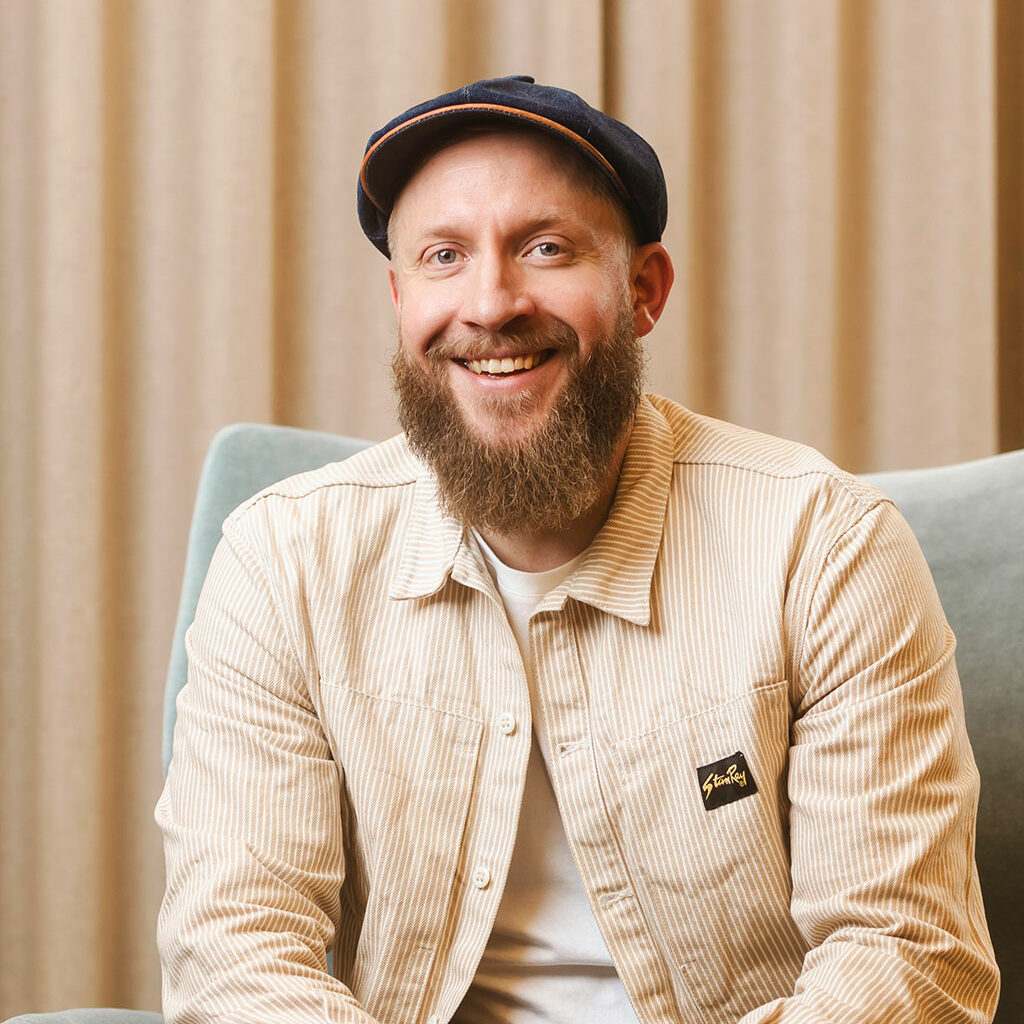
Mikko Koskinen
Serial entrepreneur, founders of Kyrö Distillery and Nemo Seafarms, a startup company focused on innovative aquaculture, and chairman of the board. Lives in Iceland.
Serial entrepreneur Mikko Koskinen believes that regional solutions that promote the well-being of the Baltic Sea can be replicated and that the funded projects will bring well-being far beyond the Baltic Sea itself. Appreciating deep benevolence, Koskinen is also environmentally conscious in his own everyday life: for example, he embroiders his clothes himself using the Japanese sashiko technique.
You are on the jury of the Baltic Sea Project. How does it feel?
The jury has a great responsibility, of course, and I do feel its weight a little. But it feels good!
What is your relationship with the Baltic Sea?
When I was a child, we spent a lot of time boating around the Porkkala peninsula. Later, freediving opened up an entirely new world beneath the surface. I love the Baltic Sea, but I cannot help feeling sorry for it too: during my lifetime, I have seen its condition deteriorate.
Why do you think the health of the Baltic Sea matters?
I approach this from a slightly different angle. The Baltic Sea is a useful testing ground for solutions that could benefit other seas around the world. Regional solutions that improve its health can probably be replicated, meaning their benefits could reach far beyond the Baltic Sea itself.
How did you become familiar with the Baltic Sea Project?
When we founded Nemo Seafarms, we chose Ålandsbanken as our bank because its values aligned with ours. Nemo Seafarms has also been involved in Project Björkskär, which applied for funding. New kinds of business and approaches to nature conservation need funders like the Baltic Sea Project to support their early development.
Has any project funded by the Baltic Sea Project been particularly interesting to you?
Solar Foods has been one of the most exciting. It is genuinely forward-looking and has the potential to make a major impact.
What kinds of projects would you like to see in the next funding round?
I would like to see ambitious projects for which the Baltic Sea Project could serve as a springboard to greater growth and impact.
What are you looking forward to about the jury’s work?
I look forward to putting what I have learned as an entrepreneur to use. I also hope to learn something new from the other judges and the applicants that will help me move forward in my own work.
What do you value in life?
Deep goodwill. I do not mean trying to please everyone: saying something difficult directly can also be an act of goodwill. On a more everyday level, I enjoy the reward that comes after pushing myself. Living in Iceland, for example, I have gone swimming in the open Atlantic. When you come out of the water, you really appreciate a warm bathrobe and a cup of coffee.
How do you personally contribute, or try to contribute, to a more sustainable future?
At my previous workplace, Running Tide, I worked on the balance of carbon dioxide in the atmosphere. At the Finnish company Nemo Seafarms, we are developing a business that improves the state of the Baltic Sea. Through the consultancy ANDX, we also help turn sustainable development into a competitive advantage through marketing and communications. In everyday life, I sort my waste and mend my clothes by hand using the Japanese sashiko technique. I find that quite relaxing, too.
What do you think we can all do for a more sustainable future?
Buying and consuming something new is not always necessary. We could all repair more of what we already own instead of always buying new things.
How would you encourage projects and communities to apply for funding from the Baltic Sea Project?
A friend of mine uses a question to help make decisions: “If I do this, will it make for a better story?” If you have an idea that seems good and could help the Baltic Sea, I am fairly sure sharing it would make for a better story than simply carrying on with life as usual.